
Seeds of Resilience
Through an extraordinary partnership of Zen practitioners and wildland firefighters, this essay explores how mindfulness and shared purpose cultivate resilience.

Through an extraordinary partnership of Zen practitioners and wildland firefighters, this essay explores how mindfulness and shared purpose cultivate resilience.

Following a total knee replacement, psychologist Penelope Neckowitz explores how the body's innate intelligence teaches courage, trust, and resilience.

Reflecting on cultural sampling, Indigenous teachings, and a traditional fasting ceremony, the author explores what it means for "settlers" to engage respectfully across cultures. Through humility, accountability, and relationship, she discovers a deeper sense of kinship with both people and Earth.

The millions of peasants who were forced off their land, losing their communities and means of subsistence, faced a grim reality. Starving, homeless, and bereft of any support system, they became refugees in their own country.

Through her training at Upaya and service as a hospital chaplain, the author learns that chaplaincy is not a profession but a way of life. In moments of death, fear, and vulnerability, she discovers the power of presence—standing with others in their fire and finding her own promise to live.

A raw post-ceremony dialogue between philosopher Hannes Schumacher and Colombian ayahuasca guide Juliet Goméz. This exchange navigates terror, tenderness, and transformation, revealing how sacred medicine strips illusions, confronts suffering, and reorients us toward balance, humility, and love. A meditation on control, surrender, and the grace of healing.

This essay breaks cultural silences surrounding childhood sexual abuse, revealing how myths of spectacle obscure everyday harm. Through personal truth and somatic practice, Abigail Testaberg explores pathways from fragmentation toward embodied safety and communal care—reminding us that healing is slow, relational work, a form of visible repair in a wounded world.

As her son wakes with questions about black holes and infinity, the author follows him into a conversation that bridges astrophysics with ancestry, parenting with cosmic continuity. Interwoven with observations on grief, embodiment, and the passing of days, the piece reminds us that time is not only measured in minutes, but in meaning, and that children often hold the key to remembering how to live in the now.

This expansive essay explores the multiverse as both scientific theory and cultural metaphor, weaving together threads from quantum mechanics, psychedelic neuroscience, religious cosmology, and pop culture. Pick argues that the multiverse—a model of infinite, interconnected realities—mirrors the fragmented yet richly pluralistic nature of modern consciousness in the age of digital hyperconnectivity.
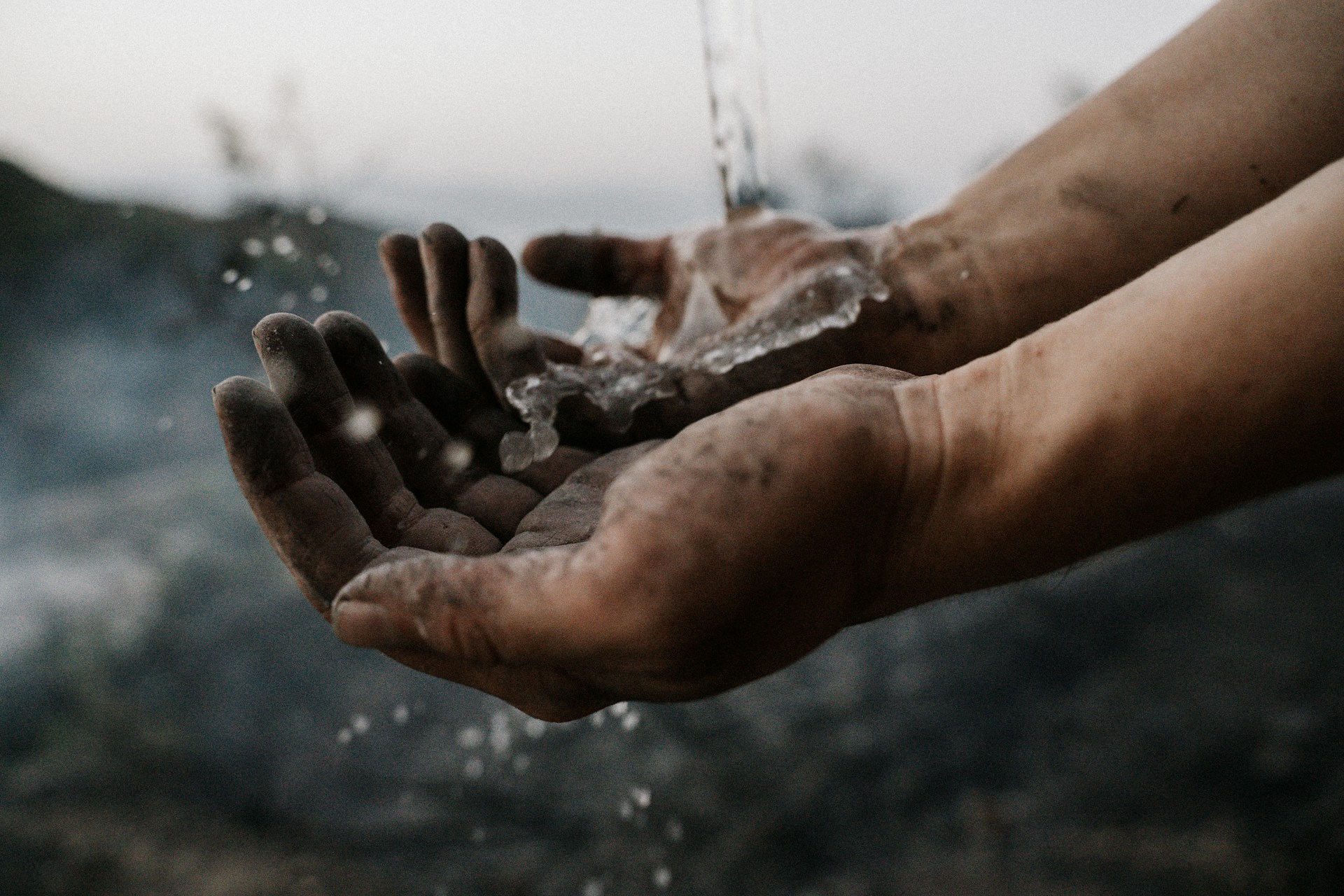
Today, it is often only the presence of sustenance that gets acknowledged. The absence of such things is almost exclusively spoken of as poverty. But what if this contemporary poverty arises not from sustenance’s presence, but from having forgotten what is absent in that recognition?